2026 Foodservice Trends
With 2026 well and truly underway, operators have turned their attentions to forecasted food trends of 2026, with many actioning these to make them a reality. With such a broad range of sources to choose from, we’ve rounded up the most popular that many food experts agree on, and how they’re set to impact the foodservice industry.
1. International Eats
As always, globally inspired food continues to lead the way when it comes to food trends. This year, Latin American and Asian flavours are dominating the market, with Bidfood reporting their six most sought-after cuisines;
Korean – Think bibimbap, bulgogi and kimchi.
Malaysian – Dishes like nasi lemak, satay and laksa.
Brazilian – Traditional BBQ, or feijoada stews, coxinha croquettes and sweet brigadeiros.
Venezuelan – Reclaiming dishes often confused as Mexican, including arepas, tequeños, empanadas.
Colombian – Featuring hearty beans, grilled meats and patacones.
Peruvian – Showcasing citrusy ceviche, hearty lomo saltado and street-food skewers.
Read Bidfood’s Flavours Less Travelled reports to learn more about each cuisine and get inspired with a range of dishes to try.
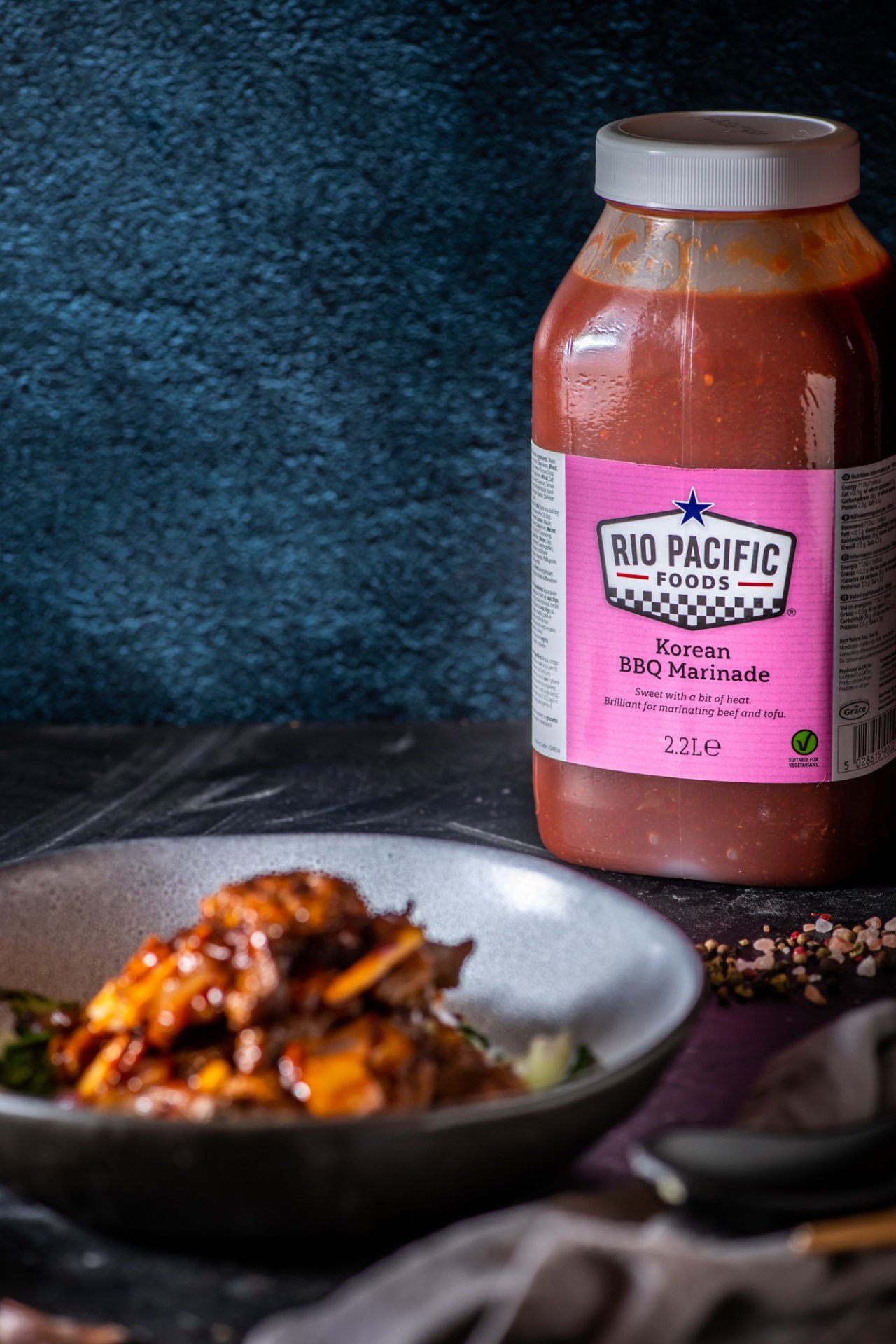
Many of these dishes require specialist products. While this is a fantastic way to tap into the demand for increased authenticity, chefs could also lean the other way and opt to utilise these emerging flavours within fusion food. For example, chefs could put a Korean twist on a classic burger with the likes of Funnybones Rio Pacific Korean BBQ sauce. Served with chilli mayo and kimchi slaw, this subtle nod hits cravings without drastic menu overhauls.
2. Functional Food
Mintel and The BBC agree that consumers are looking to adopt diverse diets that prioritise quality and nutrient density. Particularly with a focus on fibre and protein. Earlier this year, M&S went viral with the launch of their Only … Ingredients range of stripped back essentials, with people praising the transparency. This trend also extends into the drinks sector, with classic fizzy drinks being swapped for mood-boosting alternatives like probiotic sodas, electrolyte powders, water kefirs, natural energy drinks, and mushroom coffee, according to the BBC.
3. Health-Conscious Dining and GLP-1 Diets
Tying in closely to Functional Food, the demand for health-conscious food has evolved to incorporate GLP-1 friendly diets. This has already made its way into food retail, with the likes of ASDA, Morrisons, M&S, and Co-op introducing portion-controlled ready meals, and Ocado adding a GLP-1 compatible aisle and 100g steaks, according to The Grocer.
In a foodservice setting, this demand will translate into smaller portions, with protein and high-fibre carbs taking central stage while starchy items and sweets take a back seat. This shifting popularity is likely to have a knock-on effect of protein experiencing upward price pressure, so it’s something dynamic pricing opportunists should be aware of.
4. Sensory Overload
With the ever-increasing cost of living, more and more diners are trading up when they eat out. This involves splurging on nicer drinks, opting for premium menu options, and seeking new and exciting tastes and textures. To accommodate this, there’s been a big drive when it comes to adding sensory details to the dining experience. Freeze-dried textures, popping candy, foamed beverages, and cooling effects are just some of the playful innovation shaping menus. Similarly, micro-flavour trends, like ‘Fricy’ (fruity and spicy), ‘Spour’ (spicy and sour) create a unique mouthfeel, building on last year’s demand for ‘Swicy’ (sweet and spicy) products.
But creating a sensory landscape goes beyond taste and texture. Operators should consider all the senses, including smell, sight, and touch. Tactile updates like new tableware and barware can have a significant impact – such as Lockhart Catering Equipment’s new Ariane porcelain barware collection, created in collaboration with award-winning bartender, Kat Stanley-Whyte. Utilising the durability of porcelain in the first barware collection in the world, Ariane’s range feels incredible in hand and has the added benefit of helping maintain temperature for an enhanced experience.

5. More Than a Meal
The buzzword for 2026 is all about ‘Experiential Dining’. Trading up to fine dining and quick-serve outlets remain well positioned to continue growing in the next 12 months, meaning casual dining venues face the steepest uphill challenge. To meet demand for consumers seeking value beyond price, the Competitive Socialising sector has grown at a rapid rate in recent years. In a report from Savills, there are now over 800 venues nationwide, up 58% since 2018, according to Completely Retail News. This growth is only forecasted to continue, with an estimated 1,100 sites by 2030. Competitive Socialising positions foodservice as a secondary experience, with activities like bowling, darts, and axe-throwing as the key draw. Think of venues such as Boom Battle Bar, Lane7, and Flight Club for example. Traditional food-led venues can still make the most of this demand for entertainment by incorporating themed nights, pop-ups, quizzes, craft evenings, or events like karaoke and live music.
Responding to every trend going can be challenging, so operators should carefully consider their existing customer base before deciding which are most relevant – or for areas they’d like to improve on. We’ve already seen the impact of some of these predictions coming to fruition, but we’re excited to review these trends in a few months to see how they’ve shaped the industry! Watch this space.